

We made it: the fall holidays are behind us. It’s always a whirlwind: from the Selihot (“Pardons”) havdalah and cemetery service the weekend before Rosh Hashanah, through Rosh Hashanah and Yom Kippur, to building the sukkah, and our Sukkot Harvest Moon Potluck and bonfire, and a week of Sukkot, and Shemini Atzeret services with Yizkor, all the way to our Simhat Torah celebration with seven joyous songs and the end and beginning of Torah’s story to launch us into the new year. Whew!











From the Rabbi – October 2026
Classes, Community, Education, Events, From The Rabbi, Jewish Holidays, Newsletter, Spiritual LifeWe made it: the fall holidays are behind us. It’s always a whirlwind: from the Selihot (“Pardons”) havdalah and cemetery service the weekend before Rosh Hashanah, through Rosh Hashanah and Yom Kippur, to building the sukkah, and our Sukkot Harvest Moon Potluck and bonfire, and a week of Sukkot, and Shemini Atzeret services with Yizkor, all the way to our Simhat Torah celebration with seven joyous songs and the end and beginning of Torah’s story to launch us into the new year. Whew!
October 2026 | Cheshvan 5787
Community, Days of Awe, From The President, Jewish Holidays, Newsletter, Rosh Hashanah, Social Action, Volunteering, Yom KippurThis month’s column is a reprint of this year’s Days of Awe co-presidential speeches that were delivered during this year’s High Holiday services.
How Do We Begin Again?: Bereshit 5787
Divrei Torah, Elul, From The Rabbi, Jewish Values, Resilience, Response to Tragedy, Runway to the Days of Awe, TeshuvahEarlier this week I sang El Maleh at the countywide memorial for the victims of the Oct. 7 attacks. I remembered what it felt like to wake up on October 7th three years ago, at the tail end of the long season of Jewish holidays, to the news that kibbutzim were under attack, that a music festival was under attack. The terrible images. The feeling like we couldn’t catch our breath. Sometimes I still feel like I can’t breathe with it.
Balancing Dust & Stars: Yom Kippur 5787
Chevra Kadisha, Days of Awe, Divrei Torah, From The Rabbi, Sermons, Spiritual Life, Teshuvah, Yizkor, Yom KippurThis is the sermon that Rabbi Rachel Barenblat offered during Yom Kippur 5787 morning service on Monday, September 21, 2026.
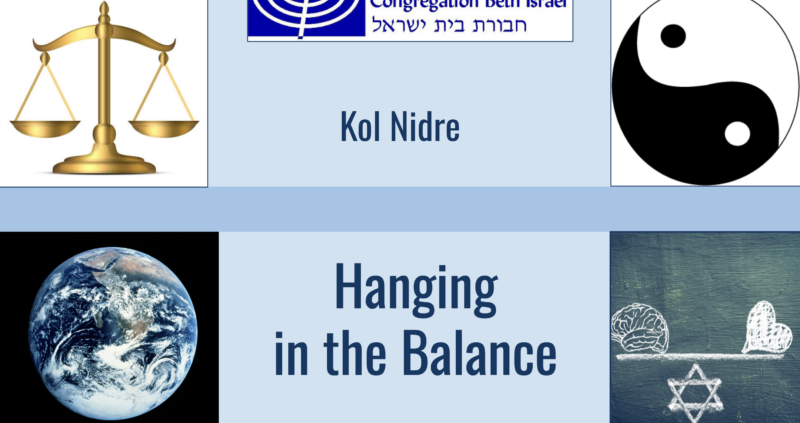
Hanging in the Balance: Kol Nidre 5787
Days of Awe, Divrei Torah, From The Rabbi, Kol Nidre, Sermons, Spiritual Life, Yom KippurThis is the sermon that Rabbi Rachel Barenblat offered during Kol Nidre 5787 evening service on Sunday, September 20, 2026.
Keeping Our Balance: Rosh Hashanah 5787
Contemplative Practice, Days of Awe, Divrei Torah, From The Rabbi, Jewish Values, Resilience, Response to Tragedy, Rosh Hashanah, Sermons, World NewsThis is the sermon that Rabbi Rachel Barenblat offered during Rosh Hashanah I 5787 morning service on Saturday, September 12, 2026.
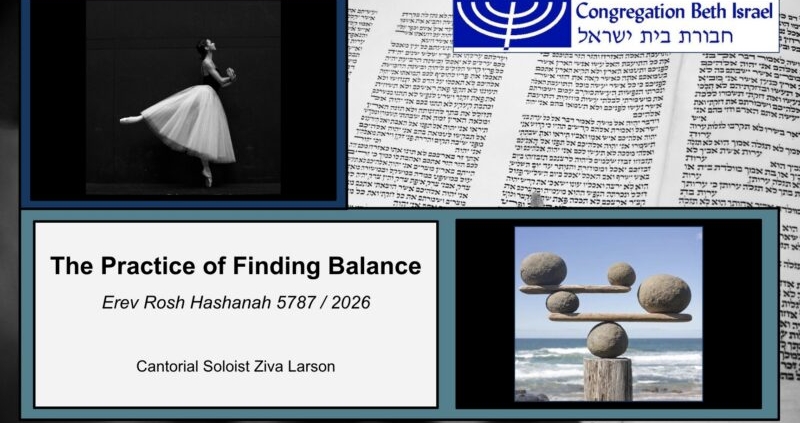
Guest Post | The Practice of Finding Balance: Erev Rosh Hashanah 5787
Days of Awe, Divrei Torah, From The Rabbi, Guest Posts, Jewish Values, Rosh Hashanah, Sermons, Teshuvah, Tikkun OlamThis guest sermon was offered by cantorial soloist Ziva Larson during Erev Rosh Hashanah 5787 evening service on Friday, September 11, 2026.
An Opportunity to Learn About Yizkor
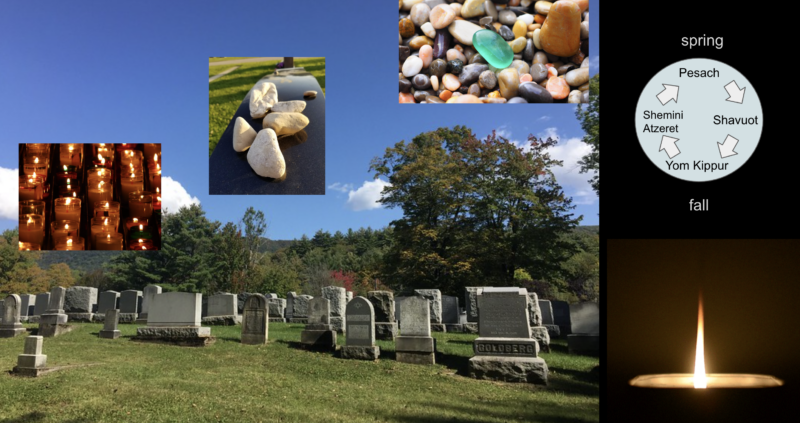
Classes, Days of Awe, From The Rabbi, Jewish Holidays, Pesach, Response to Tragedy, Shavuot, Shemini Atzeret, Spiritual Life, Yizkor, Yom KippurOne of the things we do on Yom Kippur is pray the prayers of Yizkor, the memorial service that takes place four times a year: at Passover (spring), at Shavuot (summer), at Yom Kippur (fall), and at Shemini Atzeret (also fall – a mere 11 days after Yom Kippur).
From the Rabbi – August 2026
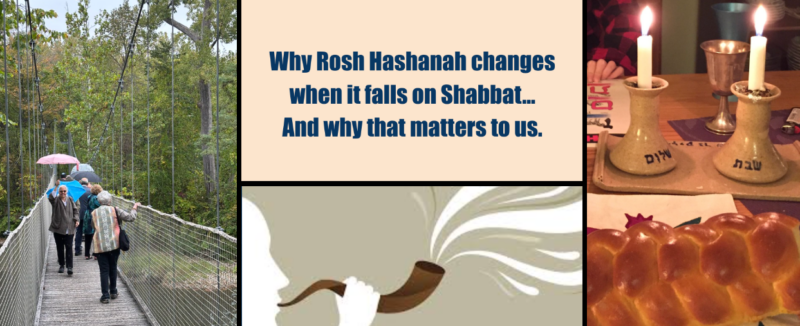
Days of Awe, From The Rabbi, Jewish Holidays, Newsletter, Rosh Hashanah, Runway to the Days of Awe, Spiritual LifeWhile I was away on retreat as part of the Clergy Leadership Program with the Institute for Jewish Spirituality, an email came into my inbox asking why, as a Reform community, we would postpone tashlich (the ritual of throwing bread into a body of water as we pray for help releasing our mis-steps) until the second day of Rosh Hashanah. After the retreat I wrote back and said: that’s my next newsletter column!
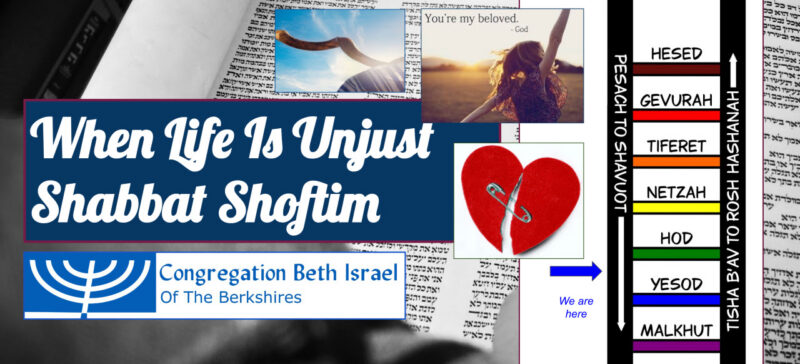
When Life Is Unjust: Shabbat Shoftim
Divrei Torah, Elul, From The Rabbi, Jewish Values, Resilience, Response to Tragedy, Runway to the Days of Awe, TeshuvahThis week’s Torah portion, Shoftim, is about judges and justice. Every town needs justices and magistrates who must judge the people with equitable justice. This is also the Torah portion where we find “Justice, justice shall you pursue!” Just as Torah spent a lot of time in Leviticus telling us to be holy as YHVH our God is holy, now we’re reminded that we also must act justly because YHVH our God is just.
Taking Stock: Shabbat Matot-Masei
Divrei Torah, From The Rabbi, Jewish Values, Resilience, Response to Tragedy, Reverse Omer, Runway to the Days of Awe, Teshuvah, Tisha B'AvThis week we’re in parashat Matot-Masei, the last parsha in the book of Numbers. We begin with instructions about vows and oaths: who can make them, and who can make them but might be overruled. We don’t use the term “vow” often in modern life. But the promises we make to one another and to God matter.
June 2026 | Sivan / Tammuz 5786
Community, Events, From The President, Newsletter, VolunteeringShalom Chaverim! As we welcome the summer season, we offer our thanks to all who attended our May Annual Meeting. We had over 30 participants (mostly in-person but also our intrepid Zoomers as well) and marveled together at all we accomplished this past year.
From the Rabbi – June 2026
Classes, Community, From The Rabbi, Jewish Holidays, Newsletter, Runway to the Days of AweIt happens like clockwork. As soon as we make it through the doorway of Shavuot, even when it’s still the month of May and school is still in session and summer is still merely a dream on the horizon, my mind starts singing me high holiday songs. This is the nature of the rabbinate, at least for someone who loves music as much as I do: the songs of the next season are always calling me, reminding me of the emotional and spiritual journey that they invite.
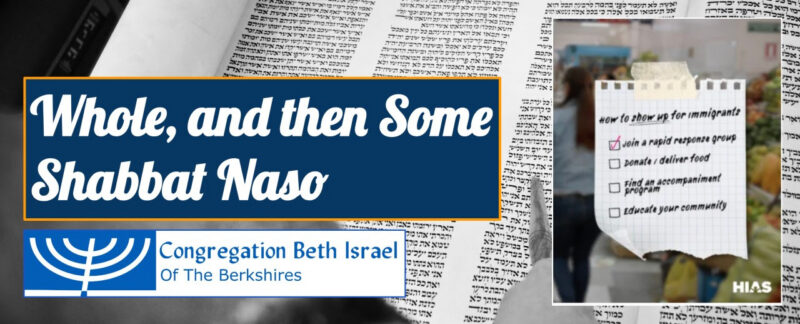
Whole, and then Some: Shabbat Naso
Community, Divrei Torah, From The Rabbi, Jewish Values, Runway to the Days of Awe, Social Action, Teshuvah, World NewsMy son is working on a musical composition that draws on one of the major and most familiar high holiday melodies. The other night he said something like, “it feels like the whole year leads up to the high holidays – it’s new beginnings, and it’s also the time when we look back on our mistakes and try to make teshuvah.” My first reaction was: I love the fact that we have conversations like this. I feel so lucky. My second reaction was: yes – the Days of Awe are an annual chance for introspection.
All (Means All): Shabbat Bamidbar
Community, Divrei Torah, From The Rabbi, Israel, Jewish ValuesI’ve been studying this parsha for months with one of our teenagers who became bat mitzvah last weekend, and I can tell you that the first thing she noticed was that this census does not count any women. Or anyone who is nonbinary, or under the age of 20, or ill, or for some other reason unable to fight. This census is about counting “able-bodied men,” and that is not synonymous with “our whole community.”